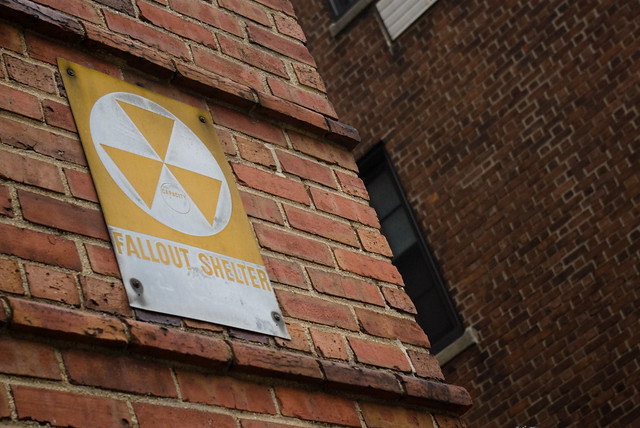
To be a child in the fall of 1983, writes Alexander Zaitchik, was to live with the constant fear of nuclear holocaust. As the Cold War’s Strangelovian logic heightened tensions between the Kremlin and Reagan’s White House, civilian life took place against a backdrop of impending apocalypse, culminating in the graphic, influential made-for-TV movie The Day After. “Those born into the age of cable and the internet will struggle to understand how completely the nation’s attention was riveted on that film,” he writes, describing his nine-year-old self’s conviction that death would be better than the horrors of nuclear war. “For months, I had debated whether to try and run and hide, or climb the nearest roof. The movie decided it for the roof.”
The nuclear terror of 1983

is a senior tech and policy editor focused on online platforms and free expression. Adi has covered virtual and augmented reality, the history of computing, and more for The Verge since 2011.
Follow topics and authors from this story to see more like this in your personalized homepage feed and to receive email updates.
Most Popular
Most Popular